
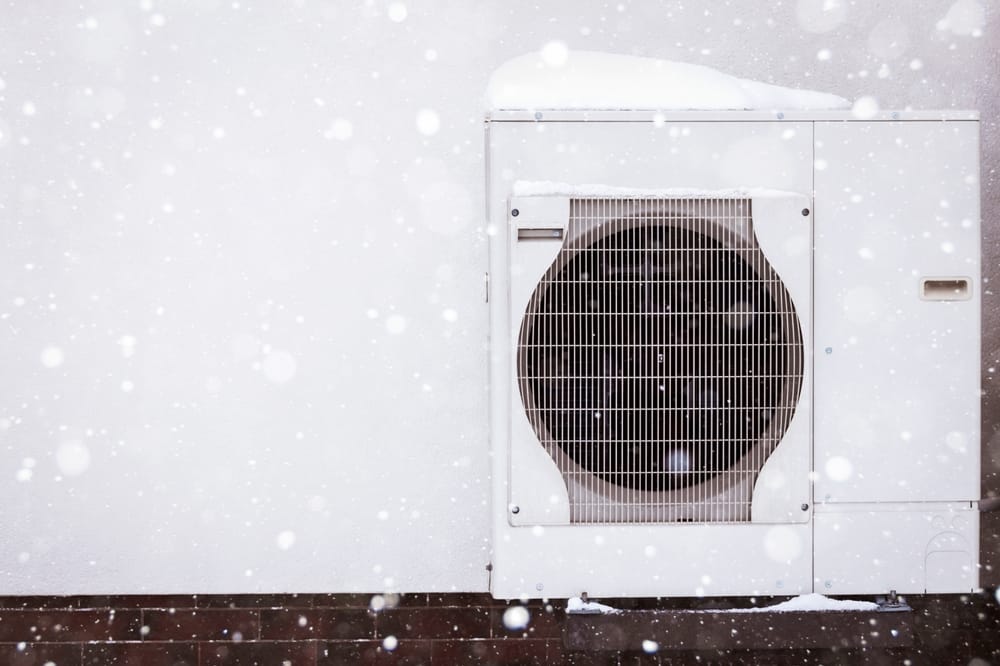
When temperatures drop, a heat pump’s heating cycle changes to adapt to winter conditions. Outdoor air becomes colder, humidity varies, and frost can form on the outdoor unit, which alters how the system operates day to day. Understanding these adjustments helps you better interpret noises, defrost cycles, and performance variations observed in the middle of winter. This guide provides a structured explanation of how the winter cycle works, the role of defrost, and maintenance best practices that help maintain stable comfort and strong energy efficiency.
1. Understanding a heat pump’s winter heating cycle
A heat pump’s heating cycle relies on a simple principle: transferring heat from outdoor air into the building. In winter, the principle remains the same, but conditions become much more demanding. The unit must deal with subzero temperatures, sometimes very humid air, and repeated frost events.
1.1 Adapting to cold conditions
When winter sets in, the heat pump has to work harder to extract the available heat from outdoor air. The lower the temperature, the more difficult it becomes to capture enough thermal energy, which extends operating cycles and puts more load on the compressor. The system then adjusts start frequency, cycle length, and outdoor fan management to maintain acceptable indoor comfort.
In these conditions, more continuous operation is often observed, with fewer long shutdowns. This behavior is not abnormal. It is a logical response to higher heating demand and a larger temperature difference between indoors and outdoors.
1.2 The role of defrost in the heating cycle
In heating mode, the outdoor unit becomes very cold, to the point where moisture in the air freezes on the coil. A certain amount of frost is therefore unavoidable. If nothing were done, this ice would build up and restrict airflow, causing performance to drop.
To prevent this, the winter cycle automatically includes defrost phases. The heat pump temporarily reverses refrigerant flow to send heat outdoors. The outdoor coil warms up, the ice melts, and normal heating can resume. Any residential energy performance specialist will insist on this point: understanding defrost makes it easier to distinguish normal operation from the early signs of a malfunction.
2. When and why defrost activates
Defrost activation is not random. It depends on temperature, humidity, and sensor inputs from the heat pump. Modern systems continuously monitor operating conditions to determine the right moment to initiate defrost.
2.1 Defrost activation principles
In winter, moisture in the air condenses on the cold surfaces of the outdoor unit and then freezes. The closer the air is to 0 °C and the more saturated it is with humidity, the faster this happens. When frost reaches a thickness considered significant by the sensors, the heat pump initiates a defrost cycle.
During this cycle, the outdoor fan typically stops and the reversing valve changes the direction of refrigerant flow. Heat is then sent to the outdoor unit to melt the frost. It is normal to see a light plume of vapor and to hear a whooshing sound as the system switches modes.
Field observations show that under humid conditions near 0 °C, typical defrost frequency is often around every 45 to 60 minutes. This may increase or decrease depending on the heat pump model, the immediate environment (clearances, obstacles, wind), and the humidity level.
2.2 Signs of normal operation vs. issues
For users, the key question is knowing when a heat pump’s behavior is normal and when it indicates a problem. Part of the answer lies in frost appearance and defrost frequency.
Table 1 – Signs of normal operation and indicators of a problem
| Observation | Status | Recommended action |
| Thin white layer of frost | Normal | No action, simple visual monitoring |
| Defrost cycle every 45–60 min | Normal | Occasionally check comfort and stability |
| Thick, hard frost covering the unit | Problem | Inspect the coil and sensors |
| Defrost triggered more than once per hour | Problem | Schedule technical maintenance |
A thin layer of frost is part of normal operation. However, a thick, hard layer that does not disappear after defrost should be taken seriously.
3. Defrost duration and the impact of outdoor conditions
Defrost cycle length is not fixed. It varies depending on frost density, air temperature, and the time required to restore normal heat exchange.
3.1 Frequency and duration depending on weather
The more humid the air and the closer it is to the freezing point, the more frequent defrost cycles become. Conversely, when the air is very cold and dry, frost forms more slowly and defrost cycles are more spaced out.
Table 2 – Outdoor conditions, typical defrost frequency, and cycle duration
| Outdoor condition | Typical defrost frequency | Average cycle duration |
| 0 °C, high humidity | Every 45 to 60 minutes | 4 to 6 minutes |
| –5 °C, medium humidity | About every 90 minutes | 3 to 5 minutes |
| –15 °C, dry air | Rarely | 2 to 3 minutes |
These values reflect trends observed under comparable winter conditions. A certified technician can confirm, for a specific model, whether the observed frequency and duration remain within a normal range.
3.2 Impact on comfort and coefficient of performance (COP)
During defrost, the air blown indoors may feel warmer than usual, or slightly cool for a few moments. This is because the heat pump temporarily sends heat to the outdoor unit. Once the cycle ends, heating resumes normally.
A heat pump’s COP (coefficient of performance) tends to decrease as outdoor temperature drops. However, when properly set up and maintained, it can keep a favorable average COP down to about –10 °C. Automatic defrost helps maintain this efficiency by preventing ice from choking heat exchange. The key is balancing heating cycles, occasional defrost events, and preventive maintenance.
4. Winter maintenance and optimization of the heating cycle
Appropriate winter maintenance plays a central role in heating cycle stability and heat pump lifespan. These are not complex procedures, but regular habits that prevent blockages and drainage problems.
4.1 Seasonal maintenance plan
Before listing tasks, remember that seasonal maintenance complements professional service visits. It helps users keep an eye on the components most exposed to harsh weather.
The main recommended maintenance tasks are as follows:
- Cleaning the outdoor coil (in season): remove debris, leaves, and dust that can restrict airflow.
- Checking drainage: make sure defrost water can drain freely under and around the unit.
- Visual inspection of electrical connections: look for corrosion, damaged cables, or an open panel (without personally working on wiring).
- Checking indoor filters: maintain sufficient airflow to the indoor unit, supporting overall performance.
A performance test at the start of winter, performed by a professional, can also confirm that the heat pump is operating within expected parameters and that automatic defrost triggers correctly.
4.2 Simple pre-winter checklist
Before the first freeze arrives, a few quick checks can make a big difference. The goal is to identify potential obstacles and ensure the system is ready for a season of heavy operation.
Here is a pre-winter checklist to follow:
- Outdoor fan: make sure no debris, branches, or objects interfere with rotation.
- Defrost system: confirm the cycle triggers and ends normally during a heating-mode test.
- Indoor filters: clean or replace them to ensure optimal airflow.
- Condensate drain and the area under the unit: clear ice blocks, dirt, or objects that could block water drainage.
By applying these checks regularly, you can significantly reduce the risk of performance decline or service interruption during winter.
4.3 Electrical safety tips during cold weather
Beyond comfort and efficiency, electrical safety remains a major point. A heat pump is a high-power electrical appliance and should never be supplied by an improvised or damaged installation.
A few simple principles apply:
- avoid using extension cords not designed for this type of equipment;
- ensure the breaker dedicated to the heat pump is correctly sized for its rated power;
- visually monitor the condition of exposed wiring, panels, and external connections;
- when in doubt, have the circuit inspected by a qualified technician.
These precautions help preserve system integrity while reducing the risk of outages or incidents during extreme cold.
5. Frequently asked questions about the winter heating cycle
To complement the previous sections, this part answers common user questions about winter cycle operation.
5.1 FAQ – Winter heat pump cycle
Does defrost significantly reduce the heat available indoors?
During defrost, heat is temporarily directed to the outdoor unit. A slight drop in supply air temperature may be noticed, but it only lasts a few minutes.
Is it normal for my heat pump to run more continuously in winter?
Yes. When it is very cold, the unit must compensate for greater heat loss. Longer cycles are normal behavior.
What should I do if frost does not disappear after defrost?
A layer of frost that persists or thickens may indicate a sensor, valve, or airflow issue. Scheduling an inspection is recommended.
Should I turn off my heat pump when it is very cold?
Some models maintain acceptable efficiency down to very low temperatures. Others rely more heavily on backup heat. The manufacturer’s documentation and a professional opinion help determine the best strategy for your specific installation.
5.2 When to call a professional
As soon as defrost cycles become abnormally frequent, frost forms a compact and hard layer, or unusual noises persist, it is recommended to consult a specialist. A professional evaluation helps prevent premature compressor wear and service interruptions during winter. In Gatineau and the Outaouais region, Réfrigération Jolicoeur can support homeowners with winter heating cycle analysis, preventive maintenance, and heat pump optimization. Their HVAC expertise helps deliver practical adjustments aligned with local climate realities.
Conclusion
A heat pump’s winter heating cycle is more complex than it may seem, but it follows a precise logic: continuously adapting operation to outdoor conditions to maintain indoor comfort. Automatic defrost, frost management, cycle frequency, and basic settings all serve the same goal: protecting system performance and durability. By applying rigorous seasonal maintenance, monitoring a few key indicators, and consulting a professional when in doubt, homeowners can fully benefit from their heat pump even during the harshest winters. For personalized support and advice tailored to your home, Réfrigération Jolicoeur can become a trusted partner in managing your winter comfort.